
On November 5, 2024, SEBI issued a circular titled, Disclosure of expenses, half-yearly returns, yield and risk-o-meter of schemes of Mutual Funds, outlining three changes to the half-yearly disclosures made by Asset Management Companies (AMCs) under its jurisdiction. SEBI RIA Abhishek Kumar explains the changes.
About the author: Abhishek is part of a freefincal’s curated list of fee-only financial advisors and a fee-only India member. He can be contacted via his website, sahajmoney.com.
His journey has been published earlier: Fee-only Advisor Abhishek Kumar’s tap dancing to financial freedom.
Sunlight is the best disinfectant. – Justice Louis Brandeis.
Securities regulators worldwide aim to make securities markets efficient, where asset prices reflect all available information and adjust immediately to new data. In an efficient market, it’s nearly impossible to consistently outperform the market as asset prices are unpredictable. The three changes are as follows.
1. Disclosure of expenses :
🔥Secure your future with our Robo-advisory tool trusted by over 3,500 investors and advisors. From effortless retirement planning to funding your children’s biggest dreams, turn your financial goals into reality. 🔥
Subscribe for money management solutions via email! (Link takes you to our email sign-up form) Join 32,000+ readers in our community.
👉 New Tool Alert! NaviPlan: A Privacy-Focused Multi-asset Tracker and Goal Planner 👈
Currently, under the SEBI (Mutual Fund) Regulation, 1996, AMCs must disclose the total recurring expenses of each scheme. However, the split between expenses for regular and direct plans is not mandatory. SEBI now requires AMCs to provide this breakdown, enhancing transparency and investor protection.
Previously, AMCs presented their recurring expenses under one category, making it hard for investors to discern the ongoing costs based on how their investment is routed into the scheme. The screenshot below (from Parag Parikh Financial Advisory Service Ltd.) highlights a row in yellow from the Unaudited Half-Yearly Financial Results for the period ending September 30, showing recurring expenses without a breakdown into regular and direct plans (first red box).
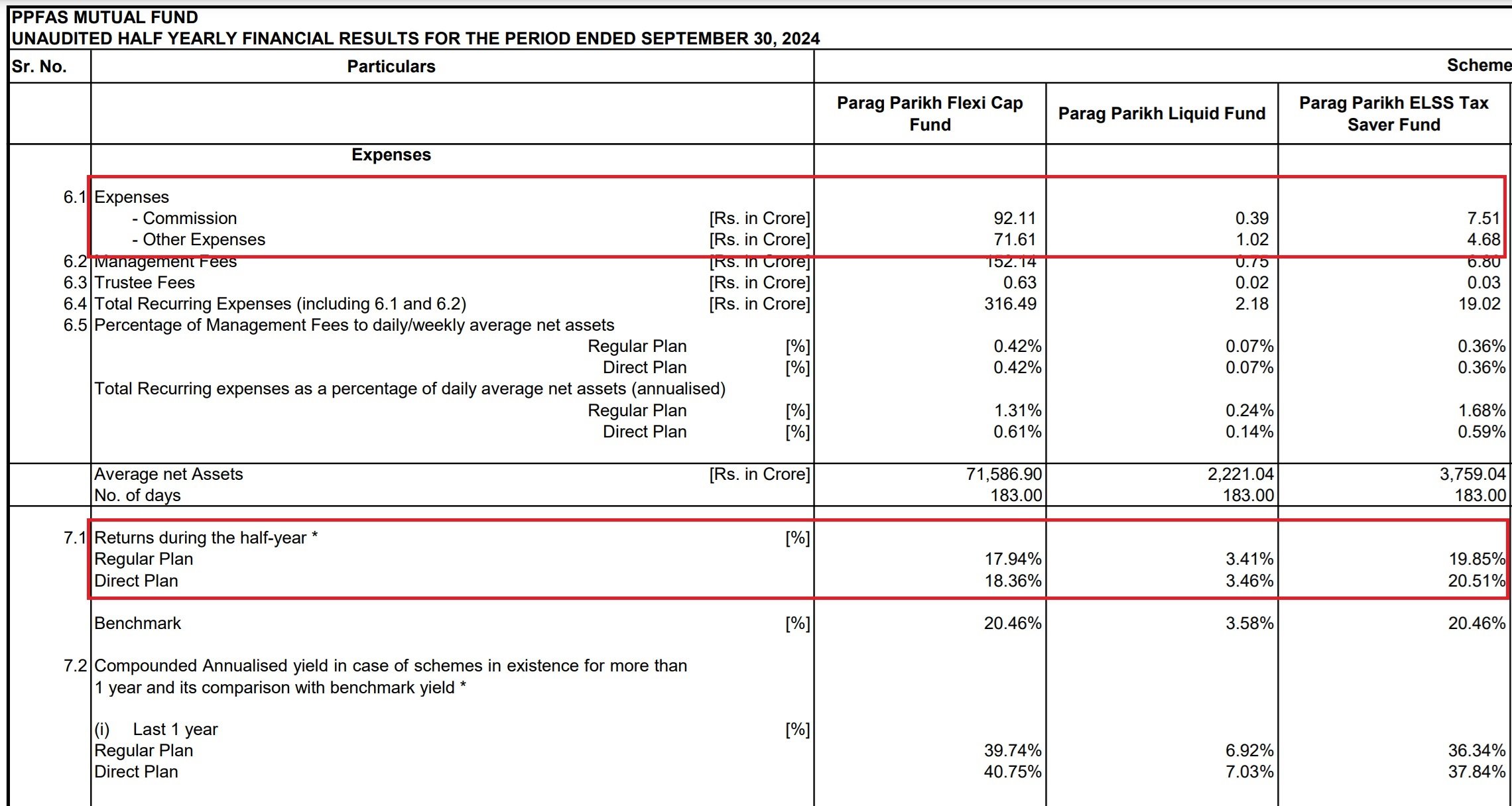
2. Disclosure of returns: Although it is not currently mandated, some AMCs voluntarily disclose half-yearly returns and annualized yields of their schemes against benchmarks. SEBI intends to standardize this disclosure, enabling investors to compare data across AMCs.
PPFAS, for example, provides this data, which is highlighted in the previous screenshot (second red box). With standardized disclosures on recurring expenses for regular and direct plans, investors will understand why returns differ between these plans within the same scheme.
3. Colour Scheme for Risk-o-meter :
Incorporating the concept of Poka-Yoke, a Japanese term for “mistake-proofing” widely used by Toyota and others to reduce human error. A simple example of this would be a barbecue place with separate plates for vegetarian and non-vegetarian items, ensuring that the serving staff doesn’t accidentally place non-vegetarian items on a plate meant for a vegetarian.
SEBI mandates a colour-coded system to indicate the risk level of MF schemes. This coding helps avoid errors by clearly distinguishing levels of risk (Low, Low to Moderate, Moderate, Moderately High, High, and Very High) through specific HTML codes.
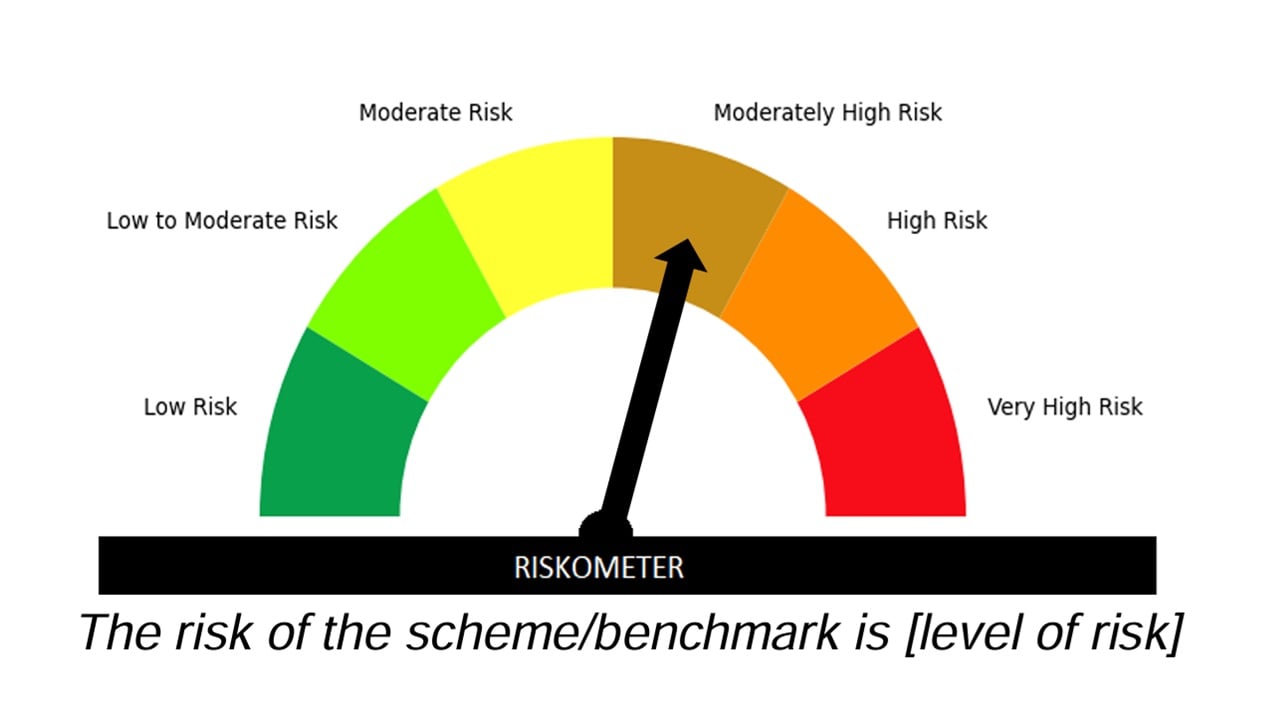
Apart from this, SEBI has mandated that any change in the risk-o-meter must be disclosed to unitholders alongside the existing risk-o-meter, allowing them to compare the change in the level of risk with the previous level in the scheme, as shown below.
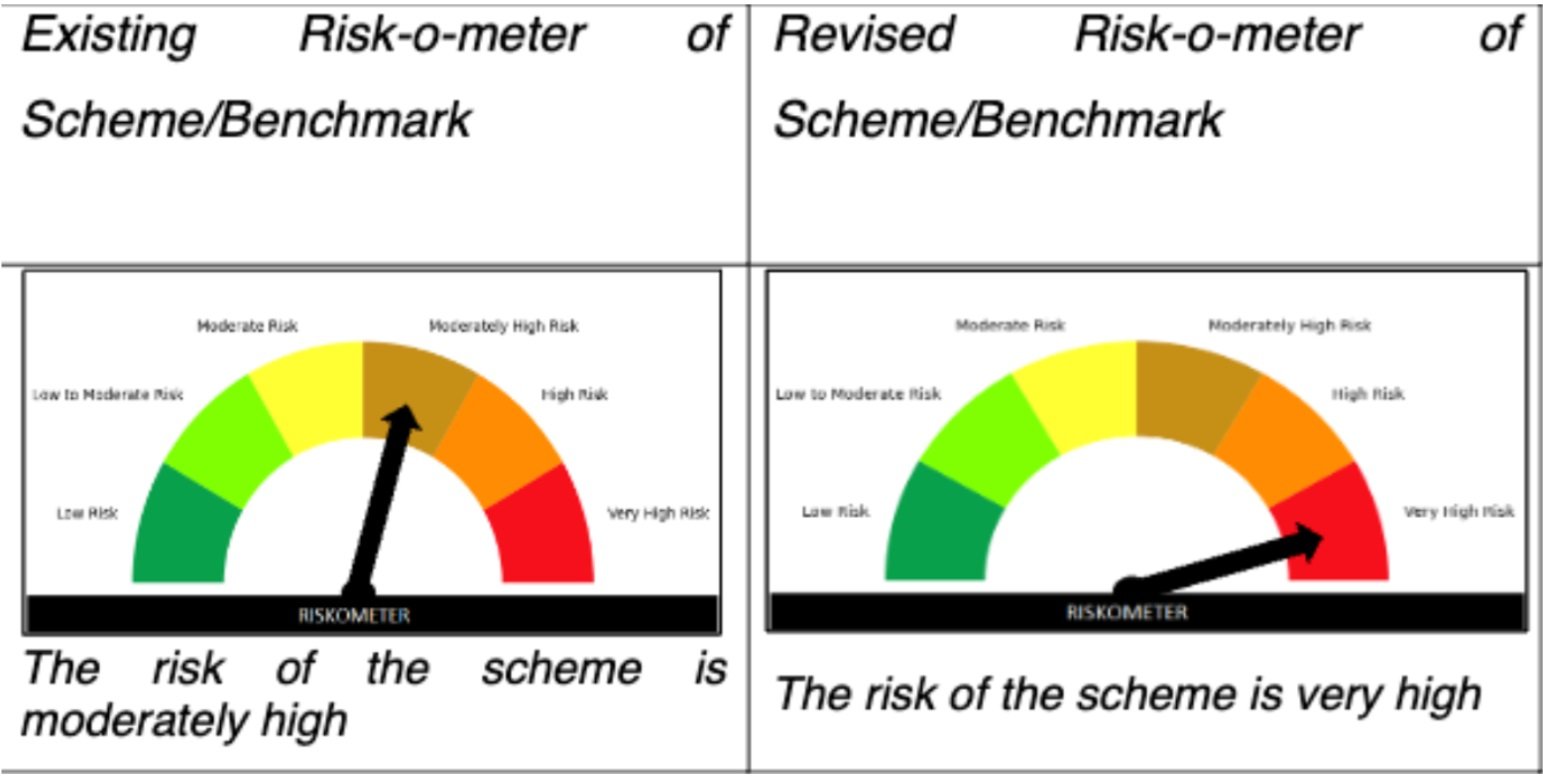
I believe this mandate is a step in the right direction from SEBI and will help MF investors make an apples-to-apples comparison. It’s a long journey, and we are still far from an efficient market, but as the saying goes, ‘one step, one day at a time.’