Last Updated on October 8, 2023 at 1:41 pm
Two of my close family members had health scares in the last couple of months. One of them realised (by chance) there that communication between the heart and brain was faulty. The other had a cardiac arrest and was revived. In both situations, there was mention of a pacemaker – a device that sends electrical pulses to trigger normal heart motion. No emergency fund would be sufficient to handle such expenses! Is there a way we can handle the financial implications of such sudden developments better?
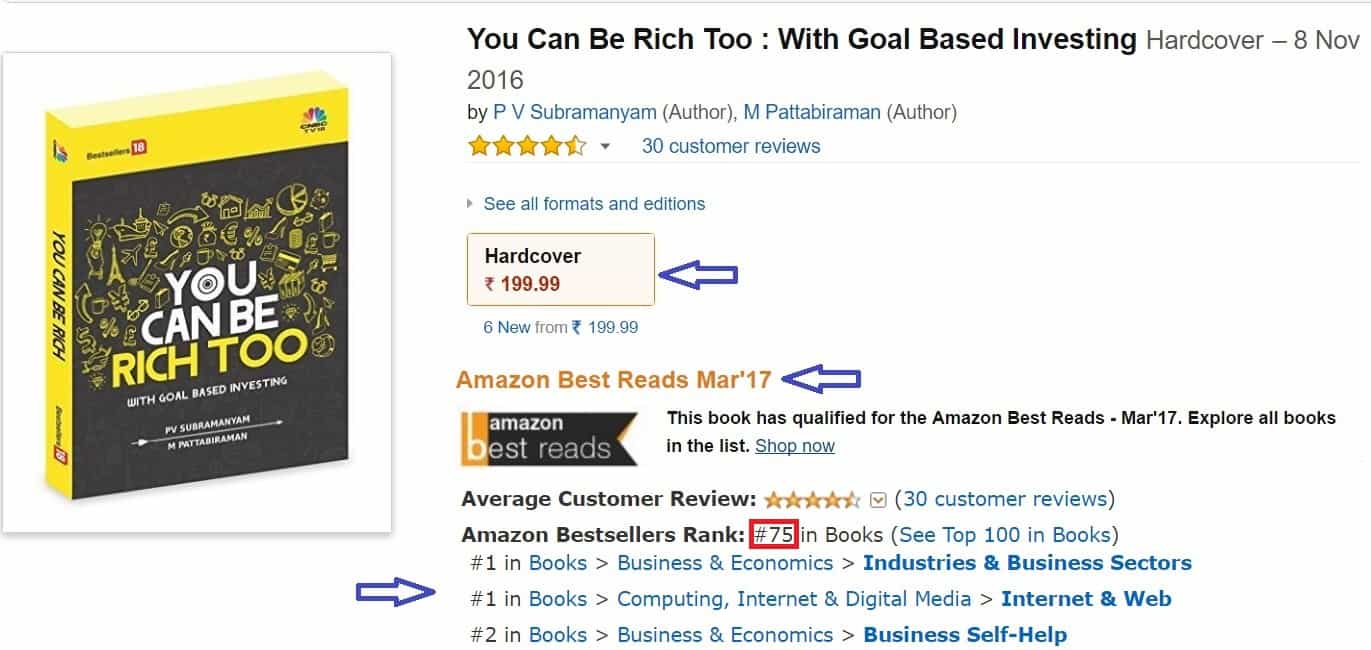
Before we begin, my book with PV Subramanyam, You Can Be Rich Too is available at a 50% discount (Rs. 198) for short periods of time this month as it was among the top 25 bestsellers in the last 3 months. Grab it now! Thank you for your support. The book reached the top of three sub-categories and the top 75th across all categories (see image below). May not sound like much, but not all authors are lucky to enjoy the trust and support from readers.
The costs are high – one estimate given for the pacemaker was 12 Lakhs and another 24 Lakhs (I don’t know the specs/requirements). The point is that most of us are not going to have that kind of cash as an emergency fund, unattached to any other goal. Most of us are not going to have a health insurance large enough to cover such costs. We will have to dip into our retirement or child education corpus to fund such needs.
These ailments are not critical or debilitating in the sense that the person after treatment can still lead a reasonably normal life within adaptable limits. So life goals like retirement, child’s education etc are still relevant. The monthly expenses would also increase significantly due to treatment costs (lifestyle creep can cut both ways).
🔥Secure your future with our Robo-advisory tool trusted by over 3,500 investors and advisors. From effortless retirement planning to funding your children’s biggest dreams, turn your financial goals into reality. 🔥
Subscribe for money management solutions via email! (Link takes you to our email sign-up form) Join 32,000+ readers in our community.
👉 New Tool Alert! NaviPlan: A Privacy-Focused Multi-asset Tracker and Goal Planner 👈
We certainly cannot avoid such situations by “leading a healthy lifestyle”. Sure, it will help, but a probability is not the same as a possibility. And most us have an implicit “it can’t happen to us” attitude.
There is no way we can prepare for such developments – emotionally or financially. So I have only one point to convey: If we can handle foreseeable situations well, we stand a reasonable chance against unforeseeable situations.
“Handling well” has four parts:
(1) Invest as much, as early
I am sure you must have heard of “invest as much as you can, as early as you can”. This is not just about the power of compounding and building more wealth. Our ability to invest may not be the same in future. In our late 30-s and early 40-s, chances are, we will have some lifestyle disease to manage. Chances are, the health of our parents may deteriorate. These will affect our ability to invest. Sadly, most of us realise, invest – as much, as early only in hindsight.
(2) Avoid Redemptions – they destroy wealth
The more important aspect is redemptions. If we can list all our foreseeable expenses along with a plan to handle them, we can minimise redemptions. For example, if we did not account for an expense that is likely to occur 5 years from now, chances are, we will be redeeming from our already invested wealth intended for other purposes.
Regular investing creates wealth, but a single redemption can destroy the fruit of years of investing. So the number one rule of wealth management is to avoid redemptions for needs that could have been planned for.
(3) Never stop contributing to the emergency fund
The silly thumb rule, “have six months expenses as an emergency fund” has no basis. Besides expenses increase all the time. So even for simple emergencies, a healthy emergency fund is necessary. I would recommend putting away 5-10% of the take home pay (or pension) into the emergency fund – for life.
(4) Keep increasing health insurance cover
Either every year or every few years, increase your health cover. Add a super top-up or increase its cover. It is expensive, but it might come in handy one day!
With some luck and discipline, (1) + (2) + (3) + (4) + a few uneventful years should give us enough wealth to use as an emergency fund!
New Delhi DIY Investor Workshop April 23rd, 2017
Register for the New Delhi DIY Investor Workshop April 23rd, 2017
You Can Be Rich Too With Goal-Based Investing
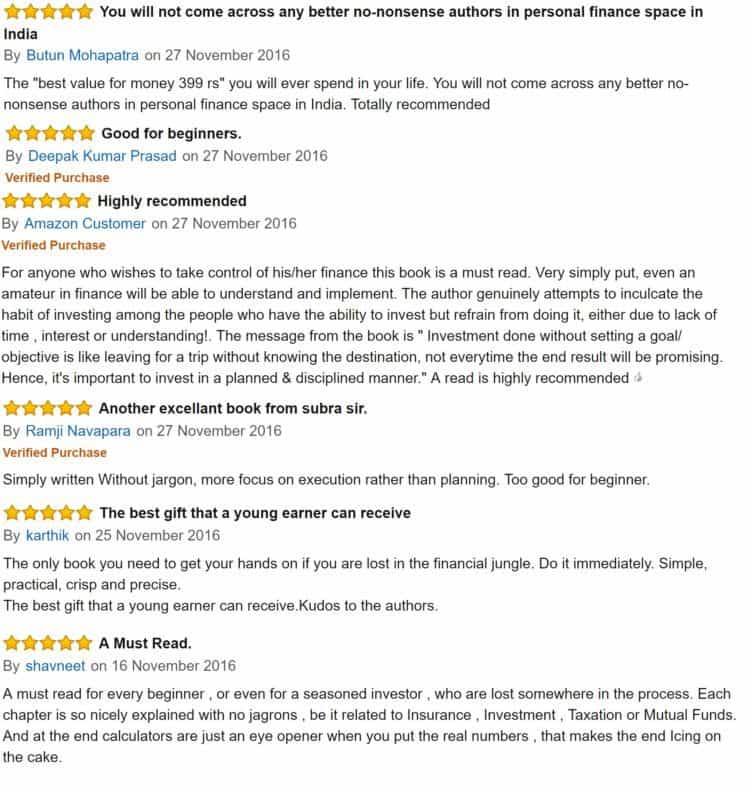
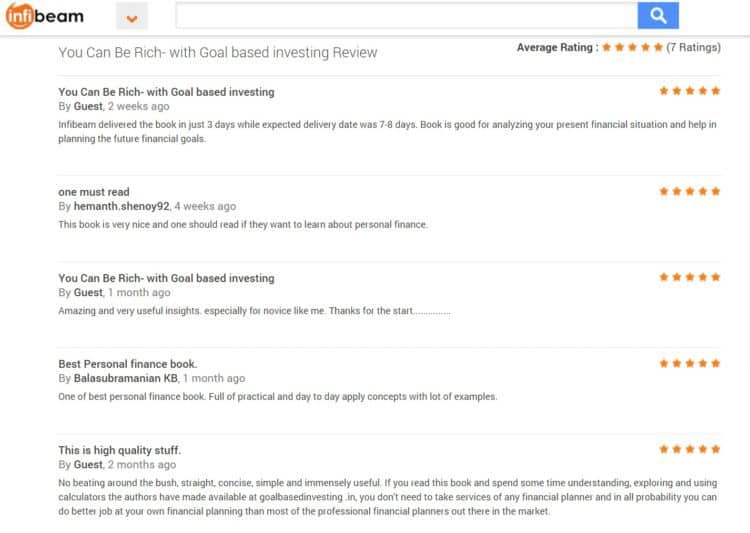
Happy to announce that my book with PV Subramanyam has been selected as part of Amazon Best Reads Mar 2017. Now 50% off! Thank you for your support and trust. If you have not yet got the book, check out the reviews below and use the links to buy.
Reader Quotes:
Gift it to your Friends and Relatives whom you care more. Already follower of Pattu and Subra’s forum. Ordered 4 more copies to give gift to my friends and eagerly waiting to read
The best book ever on Financial Freedom Planning. Go get it now!
Your first investment should be buying this book
The (nine online) calculators are really awesome and will give you all possible insights
Thank you, readers, for your generous support and patronage.

Amazon Hardcover Rs. 199. (50% off)
Kindle at Amazon.in (Rs. 307)
Google Play Store (Rs. 307) If you purchase the first book they give 75% discount to promote online e-book purchase. Subsequently, they provide 50% on next book. No code required.
Infibeam Now just Rs. 307 24% OFF.
If you use a mobikwik wallet, and purchase via infibeam, you can get up to 100% cashback!!
Bookadda Rs. 344. Flipkart Rs. 359
Amazon.com ($ 3.70 or Rs. 267)
Google Play Store (Rs. 244.30)
- Ask the right questions about money
- get simple solutions
- Define your goals clearly with worksheets
- Calculate the correct asset allocation for each goal.
- Find out how much insurance cover you need, and how much you need to invest with nine online calculator modules
- Learn to choose mutual funds qualitatively and quantitatively.
More information is available here: A Beginner’s Guide To Make Your Money Dreams Come True!
What Readers Say